
Digital Strategies Training Strengthens Digital Capacity in TVET Institutions across Egypt and Palestine
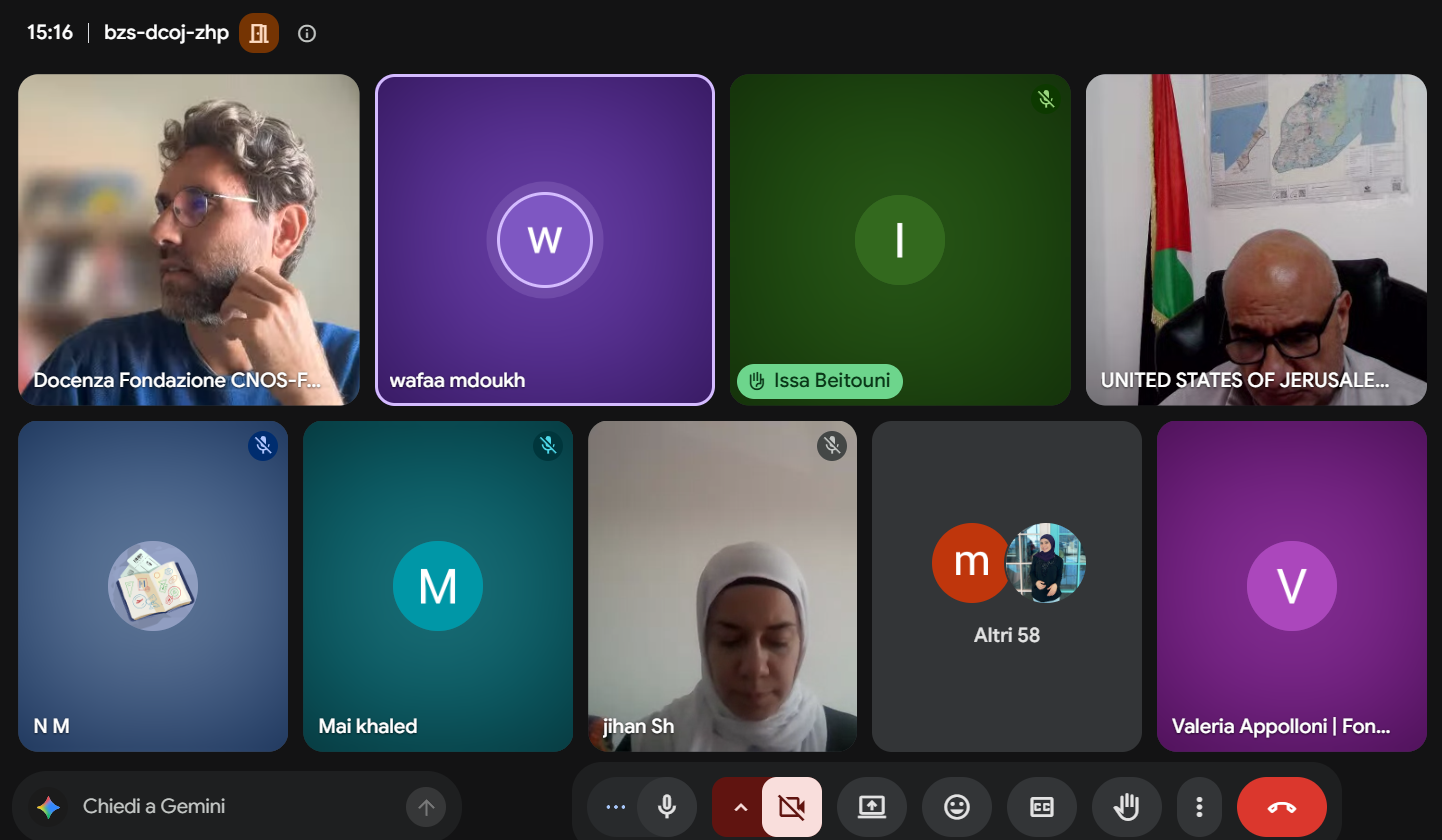
From the 1st of October, a new Digital Strategies training course was launched within the framework of the VET4SocialImpact project, marking another important step towards strengthening the digital capacity of Technical and Vocational Education and Training institutions in Egypt and Palestine.
Organised by CNOS-FAP ETS and funded by the European Union through the Erasmus+ Programme, the course brings together 50 professionals from the TVET sectors of both countries. By connecting trainers, administrative personnel and institutional leaders, the programme promotes international cooperation and supports the exchange of knowledge and practices across the participating TVET systems.
The training has a total duration of 20 hours and is delivered through a blended learning format, combining flexible digital learning with guided training activities. Its structure responds to the different responsibilities of teaching and management staff, recognising that meaningful digital transformation requires both innovative classroom practices and efficient institutional processes.
Strengthening Digital Pedagogy in TVET
The first module, Digital Pedagogy Applied to TVET Contexts, is designed primarily for trainers and focuses on the effective use of digital technologies in vocational education and training.
Participants explore the meaning of digital competence within TVET and examine how technology can support more engaging, accessible and learner-centred educational experiences. The module introduces the European DigCompEdu framework, providing trainers with a structured reference for understanding and developing the digital competencies required in contemporary education.
The training also presents different categories of educational technologies and examines how they can be selected and applied according to specific learning objectives and vocational contexts. Through practical activities, participants work on the design of digital learning environments and consider how digital tools can be integrated into their own teaching and training practices.
This practical approach helps trainers move beyond the simple use of technology and instead focus on how digital solutions can improve learning processes, encourage participation and respond more effectively to the needs of TVET learners.
Supporting Institutional Management through Digital Tools and Artificial Intelligence
The second module, Digital Tools and Artificial Intelligence to Support Organisational Management, is primarily addressed to the administrative and managerial staff of TVET institutions.
This part of the course examines how digital technologies and artificial intelligence can contribute to improving internal processes, supporting decision-making and strengthening the overall organisation of TVET institutions. Participants are introduced to solutions that can assist with everyday administrative and management responsibilities while helping institutions become more efficient and responsive.
By involving institutional management alongside trainers, the programme promotes a comprehensive approach to digital transformation. Sustainable change within TVET cannot be achieved solely through classroom innovation; it also requires institutional leadership, appropriate internal systems and staff members who are confident in using emerging technologies responsibly and effectively.
Creating a Lasting Impact beyond the Training
The Digital Strategies course extends beyond the development of individual technical skills. By strengthening the digital competencies of both trainers and administrative personnel, it supports the wider modernisation of TVET institutions in Egypt and Palestine.
The knowledge and practices developed during the course can help participating institutions improve the quality of their educational provision, modernise their internal operations and create learning environments that are better prepared for current and future technological developments.
The programme also reflects the broader objectives of VET4SocialImpact, which seeks to strengthen TVET ecosystems through capacity building, innovation, entrepreneurship and international cooperation. Digital competence is an essential part of this process, enabling TVET professionals and institutions to respond more effectively to changing labour-market needs and contribute to inclusive economic and social development.
Through this joint learning experience, participants from Egypt and Palestine are taking another step towards building strong and shared digital competencies that can support social innovation and the continued development of vocational education and training across the Mediterranean region.